
Armstrong Computer Upgrade History
Current as of 9/28/2003
I was looking through a drawer and was astounded by just how many computer parts receipts were stuffed in there. After I pulled them out, I realized they dated back pretty far and decided to see how accurately I could list my computer purchases over the years. It's not done yet, but it's pretty close. Some of this is from memory, so its accuracy isn't guaranteed. I think this list could come in handy for some of you guys to show your wives and say, "See Honey? I don't buy that much computer stuff."
| Date and Purchase | Comments | ||||||||||||||||
|---|---|---|---|---|---|---|---|---|---|---|---|---|---|---|---|---|---|
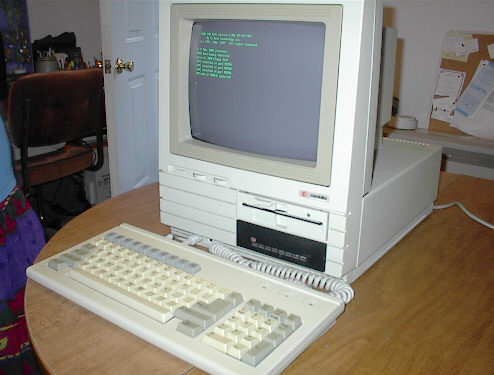
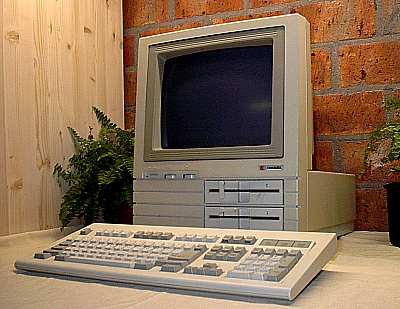
| 1987 - Cordata CS40 all-in-one Turbo PC with
monochrome display (green screen). 4.77 MHz 8088 processor,
with an 8MHz Turbo mode. 768KB RAM. 2 360K Floppies.
(Neither of these are photos of my actual unit. I found these images on the web.) |
This was my first-ever PC purchase and I got lots of excellent
use out of it. It was ostensibly for school, but it saw its fair
share of games, learning-type programming, and modem BBS
surfing.
Though it was a monochrome monitor, it was still compatible with MGA and CGA modes, meaning that text modes were much sharper than a color monitor, but unlike a Hercules adapter, it could still display 320x200 CGA graphics for games. Since it used different shades of green, it was sometimes hard to distinguish items on the screen in games like King's Quest or The Black Cauldron. It also had a high resolution (640x400!) graphics mode compatible with AT&T PCs. Lotus 123 and AT&T's GWBASIC could access this mode. Once it came time to upgrade to VGA, I regretted not getting a standard PC clone, because the proprietary nature of some of these parts made upgrading impossible. |
||||||||||||||||
Upgrades:
|
My first upgrade to this odd system was a 20MB
HardCard -- a hard disk drive and controller built on a single
expansion card.
Another upgrade was a 2-button mouse that required a separate power supply cable plugged into the wall. |
||||||||||||||||
| 1989? - Paradise Super VGA card and NEC Multisync 2A Monitor. Both capable of a spectacular 800x600 resolution. I used these with the Cordata CS40 briefly, but since the CS40's monitor was built-in, I had to keep it and have this new NEC sitting beside it. | I wanted to upgrade to color and I had held out through the EGA era and now VGA had been with us for a while. Luckily for me, Michelle forced me to spend extra money on both the monitor and the adapter, allowing me to upgrade both to Super-VGA (800x600) instead of standard VGA (640x480). | ||||||||||||||||
| 1990? - Fivestar Computers 16MHz 80386-SX with 2MB memory and my first 3.5" floppy drive. | My first "clone" which would be properly upgradeable in the future. I purchased this system at a local Fivestar shop. I already had my VGA adapter and monitor, so I just needed a barebones system. | ||||||||||||||||
Upgrades:
|
Reason for upgrades: Wing Commander, Wolfenstein 3D | ||||||||||||||||
| 40MB Seagate Hard Drive | I guess that 20MB didn't last forever after all. | ||||||||||||||||
| 1993 - 33MHz 80486-SX processor and motherboard. | Reason for upgrade: Doom | ||||||||||||||||
1994 - My First CD-ROM Drive -- Reveal Quantum Multimedia Upgrade Kit:
|
A $500+ purchase. My first CDROM kit came with a
ridiculous amount of extras. The box looked big enough for an entire
PC because of all the hardware and dozens of CDROMs: Games, Encyclopedias, Atlases,
Demos. I'm not sure if I ever got around to looking at every disc
that came with this thing.
The speakers really had a kick and the sound card had built-in wavetable capabilities for excellent-sounding MIDI music files. The speakers are still in use on my work laptop's docking station. This was an excellent kit for quite a while, but the company (Reveal) went out of business and drivers for new OSes became harder and harder to find. The funnest games included in this package were the terrifying "The Seventh Guest" and the incredibly silly "MegaRace", with your host, Lance Boyle. |
||||||||||||||||
1995 - Processor, RAM, and Video upgrade
|
Last upgrade for my first clone.
|
||||||||||||||||
1995 - Top-of-the-line Dream System:
|
I was tired of the upgrade game, so I bought my
second-ever full system. This thing was a real screamer. Every
component was the best of the best. I specified every part right
down to the upgraded cache RAM modules and really ran the cost up.
The NEC Monitor wasn't the top-of-the-line, but I got an excellent bargain when I found this $800 monitor for $650 at the newly opened Microcenter in Richardson, TX. I am typing on the Keytronics keyboard at this very moment. |
||||||||||||||||
Upgrade:
|
|||||||||||||||||
| 1996 - Snappy Video Snapshot | This let you capture stills from a camcorder or VCR. It came with a morphing program that I put to good use. Before I had a scanner or a digital camera, this was a great product. | ||||||||||||||||
| Dec. 1996 - Creative Labs Discovery 8x Multimedia Kit with 8X CDROM drive, Soundblaster AWE32 sound card, small speakers, and 50 CD Titles. | This was purchased when I had enough left over parts to built a second computer for my son. He got the old "Reveal" drive and I got all this hot new equipment. At this point, we both had SB AWE32s. The speakers from this are still in use on Holly's PC. | ||||||||||||||||
| Motherboard and Pentium 75 @90MHz | My introduction to the world of overclocking. Some guy my wife knew had just upgraded and was selling this MB and CPU for cheap. Andrew's PC could stand an upgrade so I bought this stuff. I had read a bit about overclocking and since I had this cheap hardware to mess with, I gave it a go and stepped into a new way of life! A 20% speed increase for free? Oh, yeah! | ||||||||||||||||
|
1997 - Matrox Mystique 220 Graphics Card |
My first card with any usable 3D capabilities.
Reason for upgrade: Quake, Motoracer |
||||||||||||||||
| Feb. 1998 - Pentium 233 and a motherboard whose brand I can't remember | When I got this, my beloved P133 "Dream System" went to my son, Andrew. | ||||||||||||||||
| Mar. 1998 - IBM "Deskstar 5" 6.4GB UDMA/33 5400rpm Hard Drive (00K0355) | One of the first of several IBM HDs I experienced catastrophic failures with. I used to be a super-fan of the IBM HDs, but now I'm sorry to say I avoid them like the plague. | ||||||||||||||||
| Mar. 1998 - Diamond Monster 3D OEM 3DFX Voodoo Graphics card. | One of my greatest-ever PC purchases. Sure, today's Geforces and Radeons blow it away, but at the time, seeing the 3D
graphics produced by this thing was mind-blowing.
Purchased at Dallas's First Saturday Sidewalk Sale. Reason for upgrade: Quake 2 |
||||||||||||||||
| Apr. 1998 - 32MB SDRAM DIMM | This is what the receipt says. I can't remember if it was PC66 or PC100. | ||||||||||||||||
|
Jul. 1998 - AMD K6-2/300 @350MHz with Soyo SY-5EHM Motherboard - 64MB PC100 RAM |
Purchased at Dallas's First Saturday Sidewalk Sale. | ||||||||||||||||
| Aug. 1998 - Diamond Monster 3D Retail Boxed 3DFX Voodoo Graphics card. | I can't for the life of me figure out why I bought a second one of these when I also bought a TNT the next month. | ||||||||||||||||
|
Oct. 1998 - Seagate ST34321A 4.3GB UMA Hard Drive |
|||||||||||||||||
|
Sep. 1998 - Diamond Viper V550 (Nvidia TNT) Graphics Card |
Now we're talking. For blowing each up other in Quake, and racing each other in Motoracer, we needed good 3D cards for both PCs. Luckily they were a bit cheaper by now. | ||||||||||||||||
|
Nov. 1998 - AMD K6-2/350 @375MHz. M-Tech R581 Motherboard |
Purchased at Dallas's First Saturday Sidewalk Sale. Not much of an upgrade from my previous system. This is one of those cases of trying to keep two computers up-to-date enough to run the latest games. | ||||||||||||||||
|
Jan. 1999 - Creative Labs 3D Blaster Voodoo Banshee Video Card and Sony 16x Slot-loading CD-ROM |
The 3D on this was a bit slower than the standard
Voodoo.
The CD-ROM drive is still in use today. |
||||||||||||||||
| May. 1999 - ADSL Installed | I officially became "King of the Internet" on May 5, 1999. Being an early broadband adopter and having much-lower-than-average ping times helped me become a top Quake 2 player. | ||||||||||||||||
|
Apr. 1999 - Major Upgrade and Major Overclocking
|
Celeron 300A: The legendary overclocker, and the Abit
BX6-R2 was a board that could take it to its limit.
My First ATX System. |
||||||||||||||||
| Sep. 1999 - Guillemot Maxi Gamer Xentor TNT-2 Graphics Card. | Supposedly performs halfway between a regular TNT-2 and a TNT-2 Ultra. Still in use today. | ||||||||||||||||
| Nov. 1999 - Sound Blaster Live! X-Gamer Sound Card | I wouldn't be able to take advantage of the surround sound capabilities of this card until my FPS2000 system in August of 2000. This was a nice card anyway, and included a few nice games. | ||||||||||||||||
| Nov. 1999 - Enlight 7230 ATX Case. | My previous ATX case was a hasty purchase that I regretted. This was a much nicer and sturdier case. | ||||||||||||||||
Oct. 1999 - "Bruce gets a new system so
Andrew gets a hand-me-down" Upgrade:
|
Another spectacular overclocking result. A full 50% increase over the speed I paid for. | ||||||||||||||||
|
Jan. 2000 - NEC AS90 19" 1600x1200 Monitor. |
Great at first but soon, during a resolution change, something popped and smoked, and the monitor was dead. Send it back to NEC for a replacement and right after warranty expiration, the exact same thing happened again: Great for a while, then died identically to before. | ||||||||||||||||
| Jun. 2000 - Celeron 533A @825MHz | Yet another spectacular overclocker. A better than 50% increase in speed. This was put on the Abit BX6-R2 and the original overclocking king, the C300A@450MHz was retired after a career of distinguished service. Then the C366@533MHz system went to Andrew. | ||||||||||||||||
| Jun. 2000 - Guillemot/Hercules 3D Prophet II GTS - Nvidia Geforce 2 Graphics Card | Another "wow-factor" upgrade. This purchase was really because my TNT-2 had become a bottleneck and I couldn't take full advantage of my 825MHz. | ||||||||||||||||
| Aug. 2000 - Cambridge Soundworks FPS2000 "Four Point Surround" Digital Speaker System | When I set these up with a digital connection to my SB Live!, some of my early comments in emails to friends were "My first impression is that these are a truly sublime, totally immersive audio experience" and "I'm honestly astounded by how much better they sound than my old (until recently considered excellent) speakers" and "Extravagant? Maybe. Excellent? Definitely." | ||||||||||||||||
Mar. 2001 - Major System Upgrade:
|
I had just gotten my Sony DCR-TRV120 Digital-8
Camcorder and needed a beefier system for capturing and editing digital video.
So far, this free 22.5% speed increase has been my last overclock worth bragging about. Overclocking this one required using the famous "pencil trick". |
||||||||||||||||
|
Oct. 2001 - IBM Deskstar 40GB UDMA/100 7200rpm Hard Drive (IC35L040AVER07) 256MB PC133 RAM |
When this IBM HD failed in the same manner as a previous one, it was too much of a coincidence. But I still hadn't learned my lesson. | ||||||||||||||||
| Feb. 2002 - Full PC Built: The Home Theater PC | See HTPC page here. This has an IBM HD in it that is thankfully still running. | ||||||||||||||||
| Mar. 2002 - BTC16x DVD-ROM Drive | Inexpensive purchase for the HTPC. This thing didn't last very long before malfunctioning. I now avoid the BTC brand. | ||||||||||||||||
| 2002 - Dell P991 19" Trinitron Monitor (1600x1200) | This used monitor was a great bargain and still looks spectacular. | ||||||||||||||||
Jun. 2002 - Major System Upgrade:
|
Only a 13% overclock on the CPU, but I was able to
overclock the $200 Ti4200 to the speed of the $400 TI4600.
Another IBM HD to rob me of precious data. This time I don't think I can fairly blame IBM, since the power supply exploded and damaged lots of the components. |
||||||||||||||||
| Dec. 2002 - 256MB PC2100 DDR RAM | 512MB is twice as good as 256MB. | ||||||||||||||||
Feb. 2003 - Major System Replacement after
Explosion
|
Why another upgrade so soon after the last one? And
why is the processor not much faster than the last one?
See this page for the horrible story of the incident leading to this purchase. My downward trend in CPU overclockability continues: Only an 8% overclock on this one. As with last time, the Ti4200 was able to run at Ti4600 speeds though. |
||||||||||||||||
| Feb. 2003 - HP DVD300i DVD Writer - 4x+R / 2.4x+RW | |||||||||||||||||
| May 2003 - Samtron 98BDF 19" Monitor (Samsung 1600x1200) | A somewhat geeky birthday present for Andrew. Making him
work on a 15" monitor in 1024x768 resolution was cruel and
unusual.
This one will do 1600x1200, but at a low 60Hz refresh rate. 1280x1024 looks great at 75Hz. |
||||||||||||||||
| May 2003 - - Western Digital 120GB UDMA/100 7200rpm Hard Drive (WD1200JBRTL) | This one was for me to make room for video editing and DVD authoring. (Plus it was only $50 after mail-in rebates. A truly incredible bargain at the time.) | ||||||||||||||||
Sep. 2003 - Major System Upgrade for Andrew
|
To be able to play Unreal 2 at decent frame-rates,
Andrew helped pay for this upgrade with his own money.
The Abit BX6-R2 and those overclockable Celerons are finally sitting unused right now. |
||||||||||||||||
| Sep. 2003 - ATI Radeon 9800 non-pro | Getting ready for Doom 3 and Half-Life 2.
Since I haven't been able to overclock my CPUs by much lately, I'm happy to once again get a video card that clocks up to its big brother's specs (in this case the Radeon 9800 Pro). |
||||||||||||||||
| Sep. 2003 - Western Digital 120GB UDMA/100 7200rpm Hard Drive (WD1200JBRTL) | This is an upgrade for Andrew's PC. He's been struggling with space problems for a while and this should solve them forever! Who could ever need more than 120GB? | ||||||||||||||||
| Aug. 2004 - Western Digital 160 GB, 100 MB/s, 8 MB Cache, 7200 RPM Hard Drive (WD1600JBRTL) | Yet another Hard Drive for Bruce. I'm always hurting for space and this was another super-cheap-after-rebate deal at Frys. I've had good luck with Western Digital rebates, and I did actually get a check for $30. | ||||||||||||||||
Oct. 2004 - New Motherboard and CPU for Bruce
|
This was one where I went in for one of Fry's super-cheap combo deals and got talked into upgrading the motherboard to a "name brand". It had been a year and a half since my incredibly unsatisfying "forced upgrade" after a power supply explosion. | ||||||||||||||||
Dec. 2005 - New Motherboard and CPU for Andrew
|
This combo was super-cheap at Frys ($90 for both). This may not seem like a huge upgrade (Celeron 2.4 -> Sempron 3000+), but the Sempron is faster than the Celeron in everything, and in some games we play, almost twice as fast. | ||||||||||||||||
| Dec. 2005 - My first KVM switch: A "PPA Mini KVM PS/2 2 Port" | Very nice for switching between my work and home PCs on the same desk. No video degradation even at 1600x1200. (Previously I would often remote control one with the other.) | ||||||||||||||||
| Mar. 2006 - Video Card Upgrade: PNY GeForce 6800 GS / 256MB GDDR3 / AGP 8x / DVI / VGA / TV Out | This was another successful attempt at "getting
more for less". Unlocking pipelines and overclocking the GPU
and RAM made this GS perform nearly as well as the GTs that cost
much more.
My Radeon 9800 now goes to Andrew, and we have a Geforce 4200 as a spare part. It would have went as an upgrade for Holly, but her Compaq doesn't have an AGP slot (!). |
||||||||||||||||
Mar. 2006 - More "Tax Refund
Upgrades":
|
The hand-me-down tradition continues. Andrew got some of my old RAM to bring him up to 3/4 of a Gig (768MB). | ||||||||||||||||
| Nov. 2006 - Purchased a Leadtek Winfast 6800GT from my crazy neighbor. | My neighbor built a new top-of-the-line system, and I bought some spare parts from him, including this excellent graphics card that was top-of-the-line when he built his previous system. Andrew now gets my 6800GS to replace the Radeon 9800. | ||||||||||||||||
Still to be placed on the chart:
 | Modem progression: 2400 baud, 9600 baud, 28.8 kbps, 56.6 kbps |
| Mouses: Basic, then scrolling, then optical. |
| Various 100MB-4GB HDs (A 420MB HD for about $1/MB was a fantastic deal at the time.) |
| Networking: Starting with 10Base-T with no hub, moving to a 100mbps hub, and now a 100mbps switch, and eventully wireless. |
| NEC M500 15" Multimedia monitor (built-in speakers and mic) |
| Relisys RE518B 15" Color Monitor |
| Apr. 2001 - AMD-K6-2 500MHz with FIC VA-503+ Motherboard (Who was this for? I found a receipt listing this stuff, but I sure don't have it. I must have built a cheap PC for someone, but I can't remember who.) |
If I can find the data in old email, I also plan to include a graph showing FPS increases for the Quake games through time.
I would also like to include a chart showing what PCs were sitting on the desks of myself, Andrew, and Holly at different dates.

Terminology: "Andrew's Computer" is my 11 year-old son's PC. It usually contains components that come from my PC whenever I do an upgrade. Andrew's has to be good enough to run the latest games reasonably and several of my friends consider this a good target PC for how up-to-date they should keep their own system.
"Holly's Computer" is my 8 year-old daughter's PC. It usually has third-generation hand-me-down components from Andrew's. Holly's has to be good enough to run some older games since when we have guests, 3-way racing or fighting is likely to happen.